Selecting the Best LiPo Batteries for DIY Racers
Stop Guessing. Your Drone Deserves Better Juice.
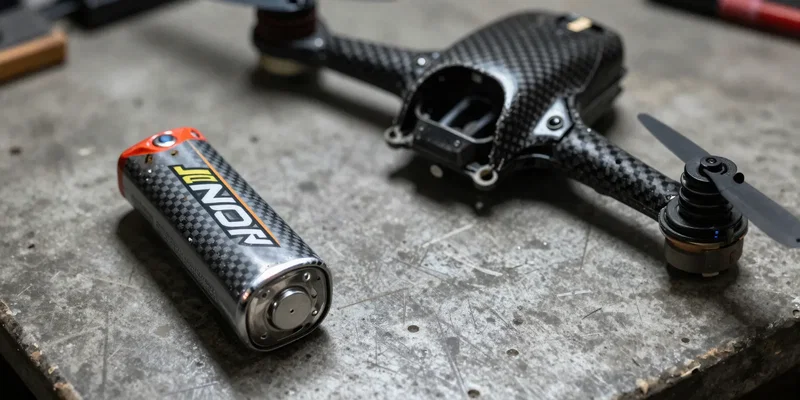
You spent weeks building that DIY racing drone. Soldering tiny wires until your eyes bled. Tweaking betaflight settings at 2 AM. Now you’re going to slap the cheapest mystery-box battery you found on Amazon onto it? Bad idea. Your battery isn't just a fuel tank. It's the beating heart of your quad. Pick the wrong one, and you’re flying a sluggish brick. Or worse. You’re watching your drone turn into a spectacular fireball in the middle of a field. Let’s get real about drone power. No engineering degrees required.
The C-Rating Lie Everyone Believes
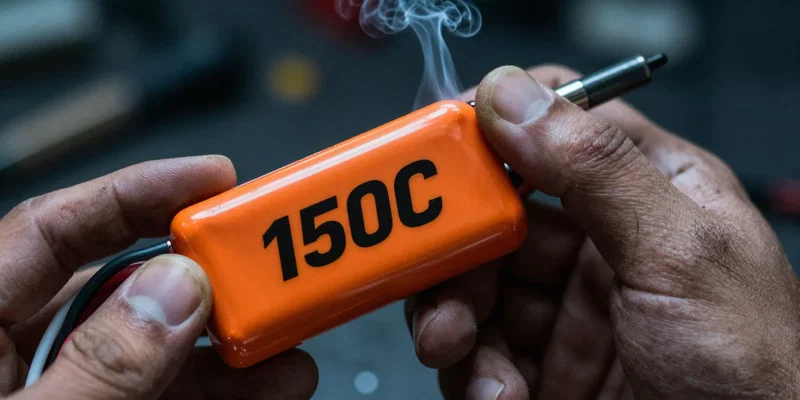
Open any FPV battery guide. They'll tell you to look at the C-rating. That magical number that supposedly tells you how fast the battery dumps power. Here’s the truth. Most of those numbers are entirely made up. A 150C sticker on a random pack? Pure marketing fiction. Instead of chasing impossible numbers, look at real-world performance. Watch what pilots actually fly at your local track. A solid, honest 100C from a reputable brand will punch harder than a fake 150C. Every single time.
Weight vs. Flight Time: Pick Your Poison
Everybody wants ten-minute flight times. Nobody wants to fly a school bus. That’s the endless struggle of picking LiPos. Grab a massive 1800mAh pack and sure, you'll stay in the air forever. But try hitting a sharp hairpin turn. You'll drift right into a tree. The physics won't let you cheat. For a standard 5-inch racer, the sweet spot usually sits between 1050mAh and 1300mAh. Light enough to snap into a roll instantly. Just enough juice to survive a three-minute race at full throttle.
The Jump to 6S
Remember when 4S was the gold standard? Yeah, those days are over. 6S took over the racing scene for a reason. Higher voltage. Lower current. That translates directly to less voltage sag when you slam the stick to pull out of a terminal dive. The power delivery feels locked in. Consistent. Right down to the last drop. If you’re assembling your first rig right now, skip 4S entirely. Build for 6S. Your throttle finger will thank you when you need an emergency punch-out to clear a concrete wall.
Budget Options That Won't Explode
Let's talk money. Racing means crashing. Crashing means dented cells. You absolutely do not want to destroy a fifty-dollar battery on your first power loop. Finding good budget LiPo batteries is about finding the packs that handle abuse without immediately swelling up like a spicy pillow. Look at the heavy hitters in the budget space. Are they the absolute lightest on the market? Nope. But they are cheap. They take a beating. And they supply plenty of amps to keep you competitive. Buy a stack of them. Go practice. Destroy them. Repeat.