Reading Wind Conditions for FPV Drone Racing
Stop Hating the Wind and Start Using It
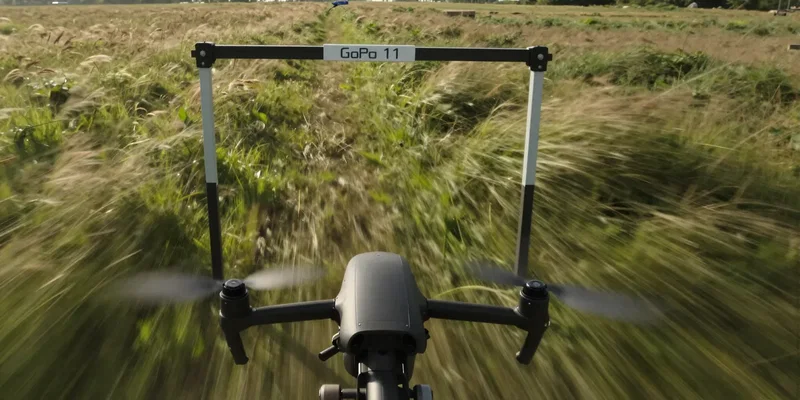
Most beginners pack up their gear the second a breeze kicks in. Big mistake. If you want to actually compete—or just not crash your expensive rig into a tree—you need to figure out flying drones in wind. Wind isn't your enemy. It's just invisible terrain. You wouldn't ignore a massive brick wall on the track, right? Treat the wind exactly the same way.
Forget the Weather Apps, Look at the Dirt
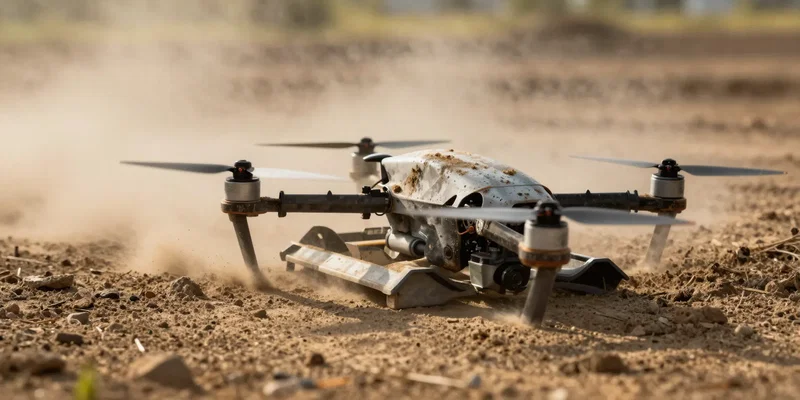
Sure, check the weather for drones before you leave the house. But once you're at the field? Put the phone away. Your app doesn't know what the micro-currents are doing around that specific grove of oak trees. Look at the tall grass. Watch the dust kick up. See how the leaves are moving at the top of the canopy versus the bottom. That's your real-time wind data right there.
The Brutal Truth About Wind Compensation FPV
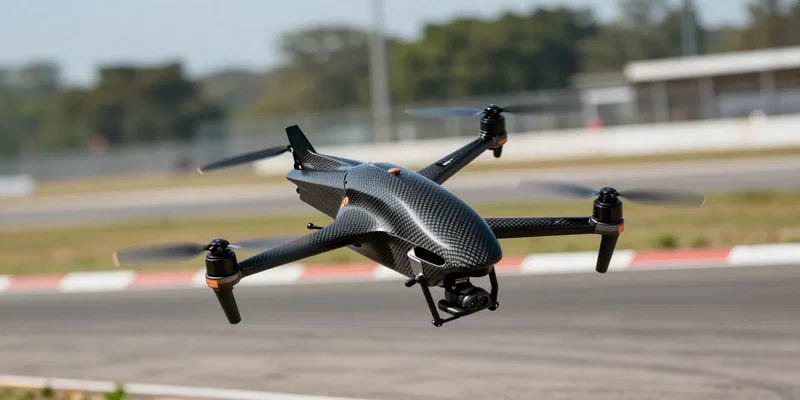
Flying into a headwind means you're going to need more camera tilt and a heavier thumb on the throttle. You have to literally punch a hole through the air. But here's the catch. The second you turn 180 degrees and catch a tailwind, that same throttle input will launch you into orbit. Wind compensation FPV isn't about fighting the stick. It's about anticipating the drift before you hit the apex of your turn.
Surviving Crosswinds on a Technical Track
Crosswinds are what actually ruin lap times. You're lining up for a perfectly straight dive through a gate, and suddenly your quad slides three feet to the left. To nail these racing conditions, you have to fly "crab style." Angle the nose of the drone slightly into the wind while maintaining your forward momentum toward the gate. It feels completely unnatural at first. Do it anyway.
Embrace the Turbulence
You can't learn to swim without getting wet. You won't learn wind management by flying in a sterile indoor simulator. Next time it's gusting 15 mph, grab your beater quad and go outside. Purposely fly crosswind orbits. Smash into the grass a few times. The only way to build the muscle memory to counter a sudden gust is to let the gust hit you first.