ND Filters for FPV Drones Why You Need Them
Stop Flying Naked
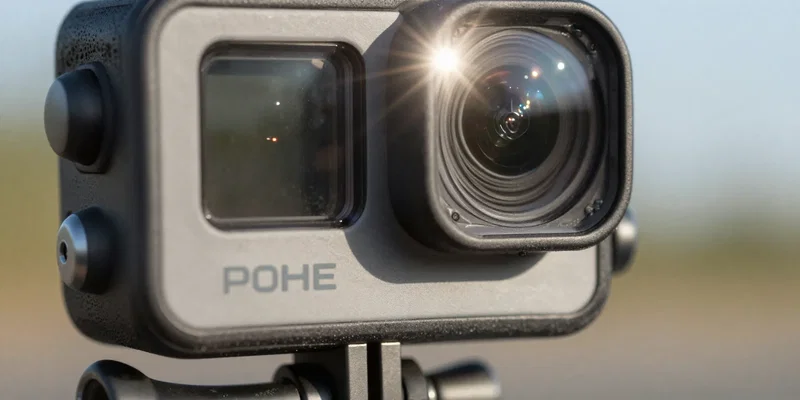
You just built an absolute rocket of an FPV drone. You strapped a 4K action camera to the top, hit the throttle, and ripped a gorgeous power loop. Then you check the footage. It looks awful. Choppy. Stuttering. Like a bad video game from 2005. Here's the thing. It's not your flying. It's your shutter speed. Flying without an ND filter in broad daylight forces your camera to snap frames at absurdly high speeds. The result? Zero motion blur FPV magic. Just harsh, jittery garbage.
Sunglasses For Your Action Camera
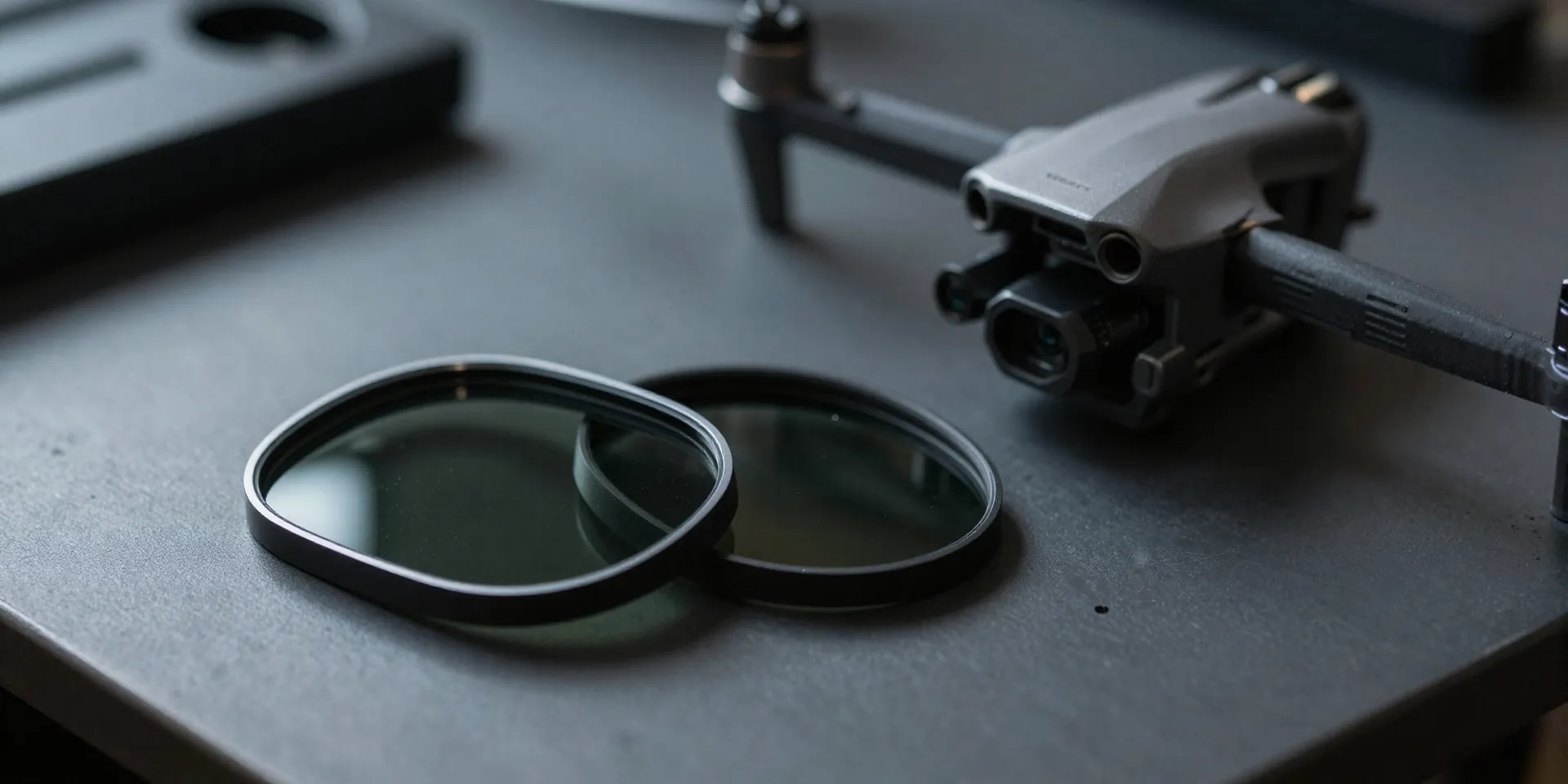
Think of drone ND filters as sunglasses for your lens. They cut the amount of light hitting the sensor without messing up your colors. Why do you want less light? Simple. Control. When you block the sun, you force the cinematic action camera to slow down its shutter speed. That is exactly what you need to make your raw flight footage look like a million bucks.
The Holy Grail of Motion Blur
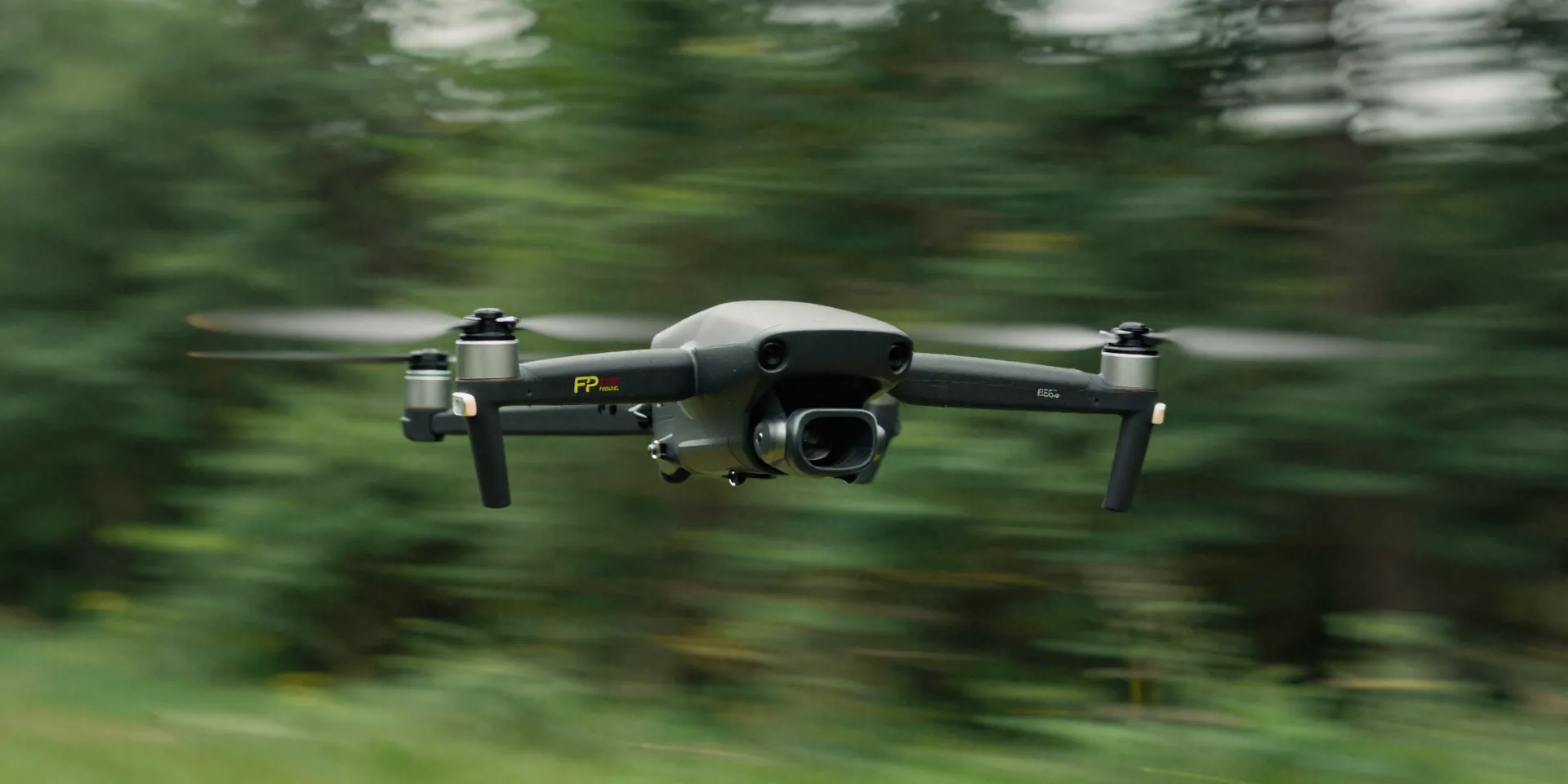
Hollywood has a rule. The 180-degree shutter rule. To get buttery smooth motion, your shutter speed needs to be exactly double your frame rate. Shooting at 30fps? You need a 1/60th shutter speed. 60fps? 1/120th. Try doing that on a sunny afternoon without an ND filter. Your footage will blow out into pure white screen. Slap an ND16 or ND32 on the front, dial in those manual settings, and watch the magic happen. The ground whips by in a beautiful, streaky blur while your subject stays tack sharp.
Killing the Jello Effect
FPV drones vibrate. A lot. Those tiny high-KV motors scream at ridiculous RPMs. Sometimes, that vibration syncs up perfectly with a fast electronic shutter, creating a wobbly nightmare known as the jello effect. You can spend hours tweaking your PID tunes trying to fix it. Or you can just slow down the shutter speed. The added motion blur naturally masks micro-vibrations. It smooths out the rough edges. Literally the cheapest optical stabilization you can buy.
Which Number Do You Actually Need?
Don't overcomplicate this. You really only need three filters in your bag. Overcast day or flying through dense woods? Throw on an ND8. Standard sunny afternoon? That’s ND16 territory. Bright midday sun glaring off snow or water? Grab the ND32. You'll know you picked the right one when your exposure looks perfect at that sweet-spot shutter speed. Just pack them, use them, and stop ruining good flights with bad camera settings. Best piece of aerial photography tips you'll ever get.