Must-Have Cheap Tools for Drone Assembly and Repair
Stop Overpaying for Basic Fixes
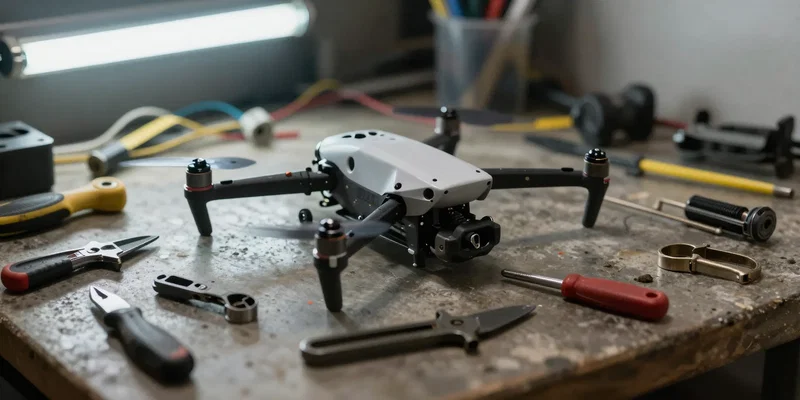
Everyone tells you FPV is expensive. They're half right. The goggles and radios? Sure. The tools? Not even close. You don't need a $200 titanium wrench set to tighten a prop nut. You just need a solid FPV repair kit that won't snap in half the first time you use it. Let's look at the cheap stuff that actually survives the bench. No fluff. Just what works.
A Hex Driver Set That Won't Strip Screws
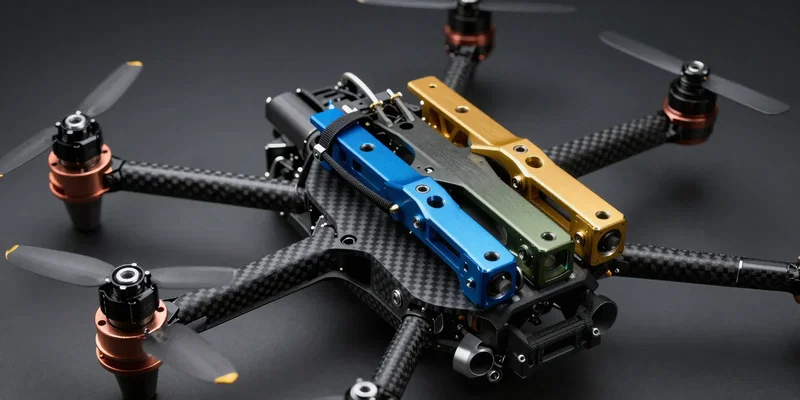
We've all been there. You buy a cheap Allen key. You turn it hard. Snap. Or worse, the tip rounds off inside your motor mount. Now you're drilling out a 2mm titanium screw. Miserable. A decent hex driver set is non-negotiable. Look for hardened steel tips. MIP is the gold standard, but you're on a budget. Grab a $15 set from Flywoo or HGLRC. They grip tight. They last for hundreds of builds. Stop using the free L-keys that come with your flat-pack furniture.
The Truth About Cheap Soldering Irons
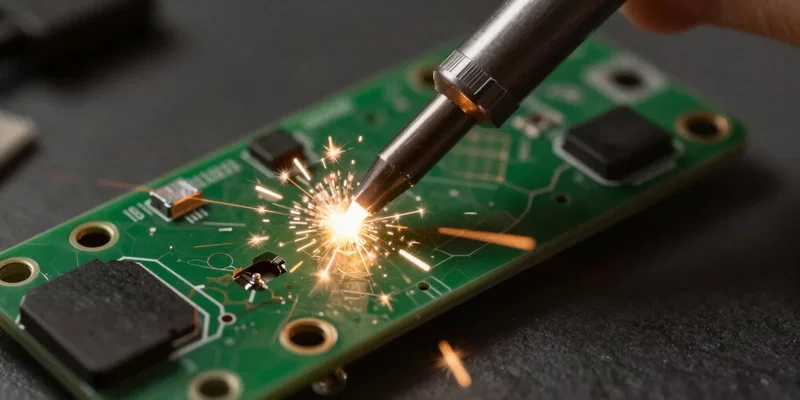
Cold joints crash drones. It's that simple. If your wire pulls off the ESC mid-flip, your quad is a brick. But you don't need a massive Hakko station taking up half your desk. Enter the modern cheap soldering iron. Irons like the Pinecil cost less than a decent dinner. They run off USB-C or a spare LiPo battery. They heat up in six seconds flat. Perfect for field repairs. Perfect for the bench. Get a flat chisel tip, crank it to 400 degrees, and melt that solder like butter.
Snips and Tweezers: The Unsung Heroes
Routing receiver wires is a nightmare without tweezers. Thick fingers just don't fit between a VTX and a flight controller. Grab a $5 set of ESD-safe precision tweezers. Pointy ones, angled ones. Buy them all. Next up: flush cutters. You need clean cuts on your zip ties so they don't slice your fingers open later. Small, sharp wire snips are the absolute backbone of your budget drone tools. When they get dull in six months? Throw them out. Buy another $4 pair.
The $10 Smoke Preventer
Magic smoke smells terrible. It's the scent of $80 vanishing into thin air because you bridged a 5V pad to ground. A basic digital multimeter prevents this. You don't need a fancy Fluke meter. You just need something that beeps when things touch that shouldn't touch. Check your continuity before you plug in the battery. Every single time. It takes five seconds. It will save your electronics.