How to Tune Your PIDs for Better Racing Performance
Stop Flying a Brick: Meet the "P" Term
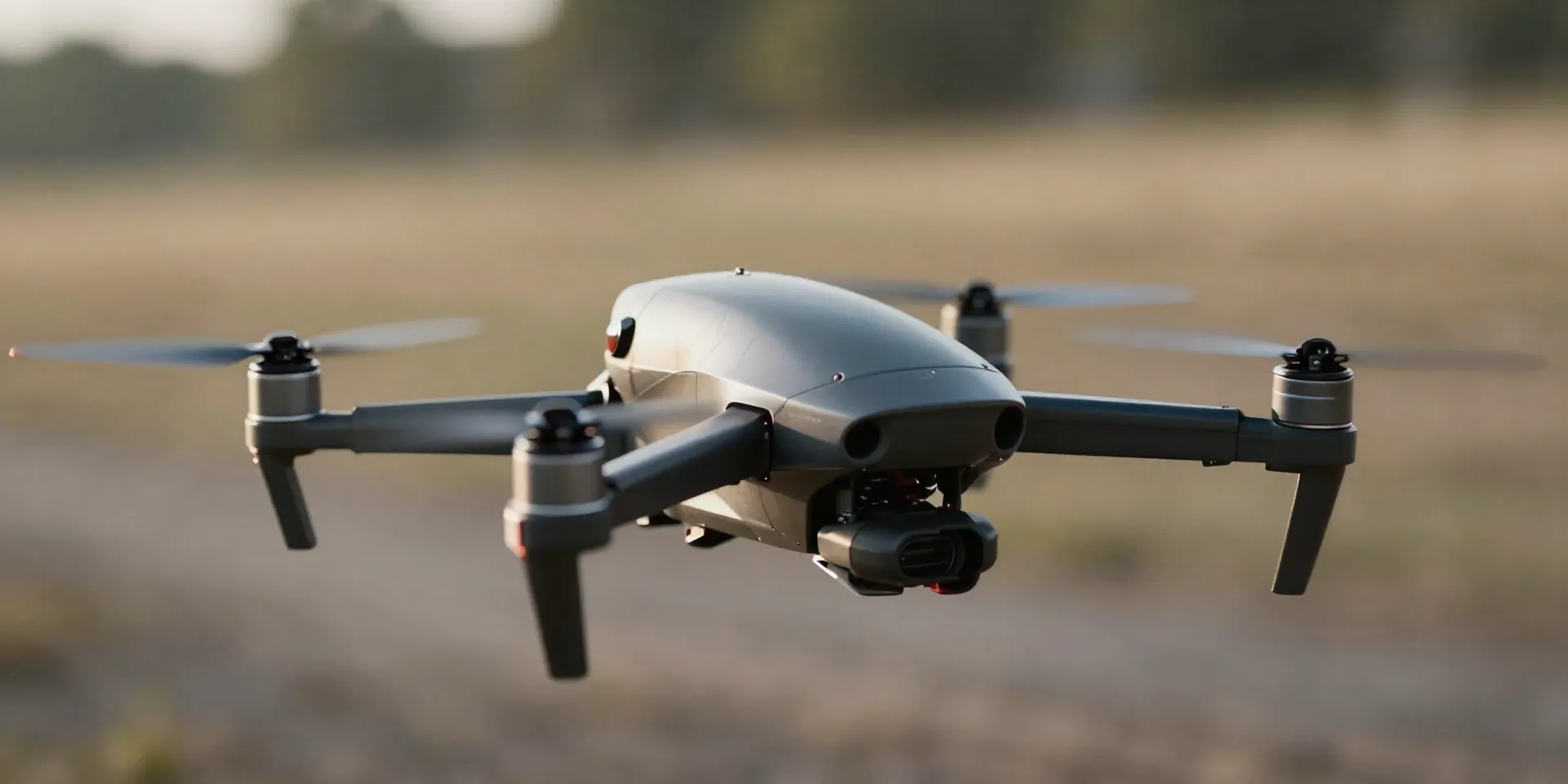
Let's get real. Your stock quad probably feels sluggish. Like steering a shopping cart through wet mud. This is where your beginner PID guide journey begins. We start with P. Proportional. The muscle. It tells your quad how hard to fight to reach the angle your sticks demand. Low P? Sloppy. High P? Snappy. But push it too far and your motors will scream and shake like a caffeinated chihuahua. Turn it up until it wobbles. Then back off a notch. Boom. Step one.
Fighting Gravity With the "I" Term

Wind happens. Gravity happens. The I—Integral—is your drone's memory. It looks at what you asked the quad to do a split second ago and forces it to hold that exact angle. Pitch forward, let go, and the nose slowly drifts up? Your I term is too weak. Think of it as an electronic heading lock. Crank it up until the drone stops drifting and holds its line. Just don't go crazy. Too much and it feels hopelessly stiff.
Killing the Bounce With the "D" Term
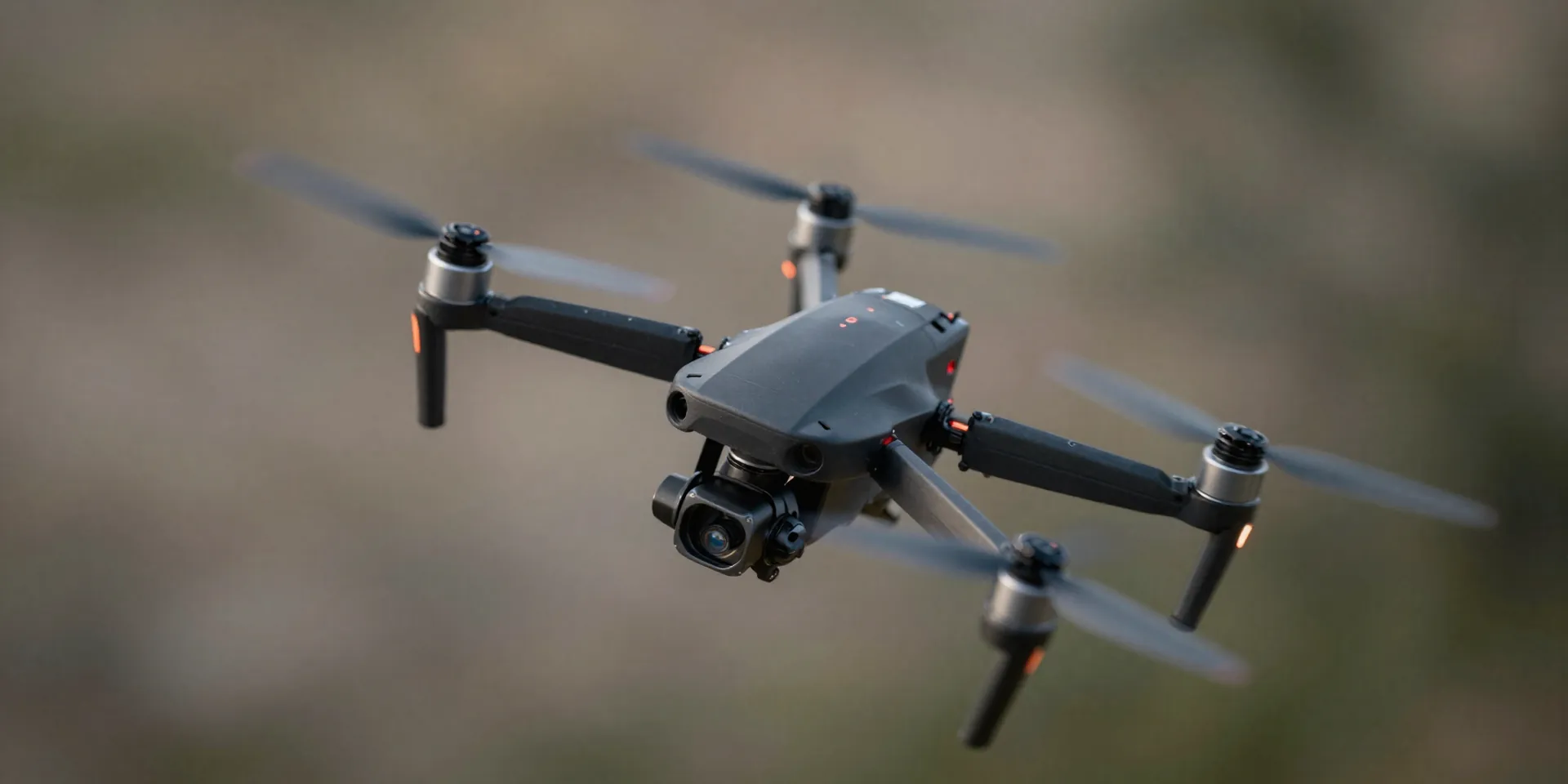
Ever done a snappy flip, let go of the sticks, and the drone wiggles at the end? Annoying. That bounce-back completely ruins smooth drone racing lines. Enter the D term. Derivative. The shock absorber. It anticipates the P term and slows it down right before it reaches the target angle. Smoothing everything out. But watch out. Too much D term cooks your motors. Literally. You want just enough to kill the wobble. Nothing more.
Sliders Over Numbers
Here's the thing about modern Betaflight tuning. You don't need to punch in raw numbers like it's 2017. Use the sliders. They keep the math perfectly balanced. Move the master multiplier up a bit to tighten the whole system. Or push the D-damping slider if you're drowning in prop wash during sharp turns. Let the software handle the complex ratios. You just focus on the feel.
Fly, Tweak, Repeat
Tuning at your desk is entirely useless. You have to get out there. Do full-throttle punch-outs. Snap some aggressive rolls. Listen to the motors. Are they grinding? Smooth? Actually grasping these PID tuning basics requires real-world testing. Keep your phone or laptop on the bench. Fly a pack, land, move a slider two notches, and fly the exact same line again. Keep doing it until the quad feels like an extension of your hands.