How to Practice FPV Racing in Simulators Before Flying Real Quads
Stop Crashing Real Carbon Fiber
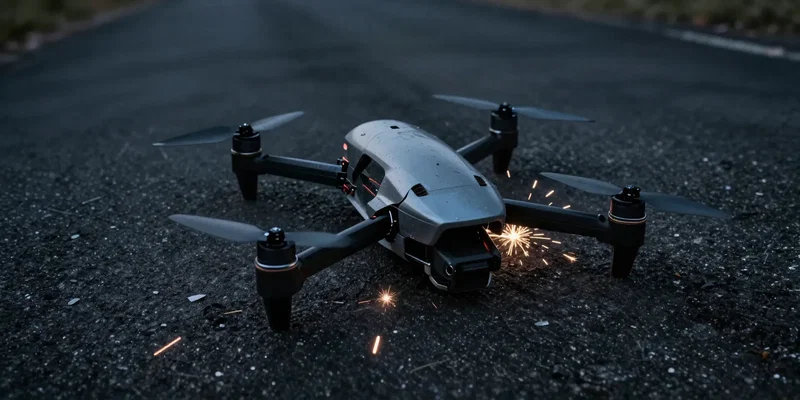
So you watched a Red Bull drone race and bought a 5-inch quad. Put it down. Seriously. Before you send a $300 flying blender into a brick wall, you need FPV simulator practice. Virtual crashes cost nothing. Real ones cost money, time, and your sanity. Flying these things isn't like playing Mario Kart. Acro mode defies every gaming instinct you have. You need to build muscle memory before that quad ever leaves your workbench.
Ditch the Xbox Controller
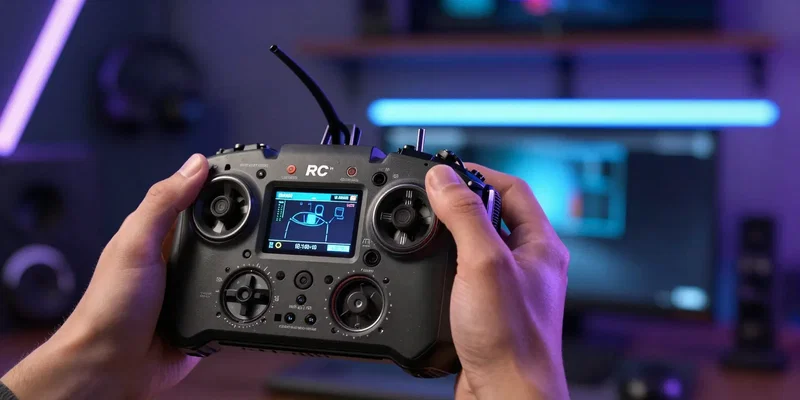
A lot of guys think they can just plug in a PlayStation controller and learn to fly. Big mistake. The gimbals are totally different. Throttle doesn't snap back to center on a real drone. Buy a proper radio transmitter. Something like a Radiomaster Boxer or TX16S. Plug that into your PC. Practice how you play. Building muscle memory with thumbsticks designed for Call of Duty will actually ruin your progress when you finally try to fly a real quad.
Liftoff or Velocidrone? Pick Your Poison
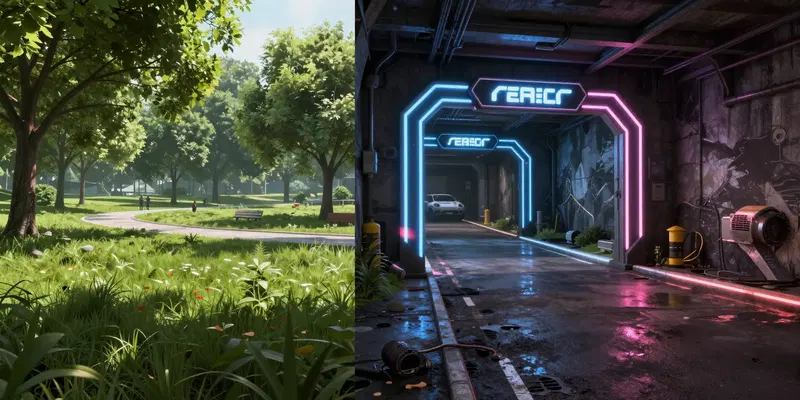
You've got options for virtual drone racing, but the big two are usually Liftoff and Velocidrone. Here's the deal. Liftoff looks amazing. It has pretty environments and great physics for freestyle. Good Liftoff tips usually revolve around finding the right community tracks and tuning your digital quad to match your real one. Velocidrone? It looks like a potato. But the physics are arguably the tightest in the industry for hardcore racing. Velocidrone beginners often complain about the graphics. Stick with it anyway. It'll make you a sharper pilot. Pick one, commit, and stop overthinking the physics sliders.
Stop Aimless Flying and Build a Routine
Just ripping around a virtual parking lot for hours teaches you absolutely nothing. You need structure. Start with hovering. Just keep the drone in one spot. Sounds boring, right? It is. But if you can't hold a hover, you can't hit a gap. Then move on to figure-eights around trees. Keep your altitude locked. Once you've got that dialed in, start hitting actual race tracks. Break the track down into sections. Don't just hold the throttle down and hope for the best. Slow is smooth, and smooth is fast.
Taking the Training Wheels Off
When you can consistently hit gates in the sim without crashing every ten seconds, you're ready. Almost. Your real drone will feel a bit heavier. The video feed will have static. The wind will actually try to push you into a tree. Don't panic. Trust your thumbs. The muscle memory you built up during all that prep work will take over. Keep your first real flights low and slow over soft grass. You will crash eventually. But at least you won't total your quad on day one.