Golden Hour Aerial Photography with FPV Quads
Ditch the Flat Noon Light
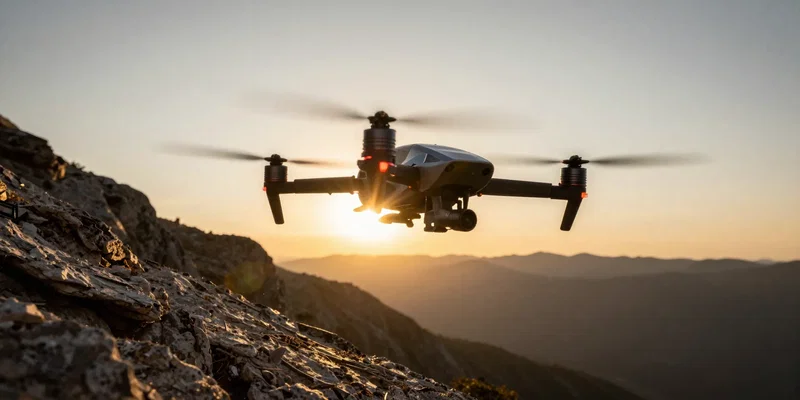
Everybody loves a good drone shot. But let's be honest. Most aerial footage looks exactly the same. Flat. Boring. Shot at 1 PM when the sun is blasting everything into a high-contrast mess. If you want actual cinematic lighting, you have to set your alarm. Golden hour drone flying isn't just about pretty colors. It's about texture. Long shadows carve out the landscape. That soft, directional light wrapping around a mountain ridge or a skyscraper? That's what separates the pros from the guys who just bought a DJI at Best Buy. Throw an FPV quad into the mix, diving down a cliffside while the sun bleeds across the horizon. Now you're making movies.
ND Filters Aren't Optional
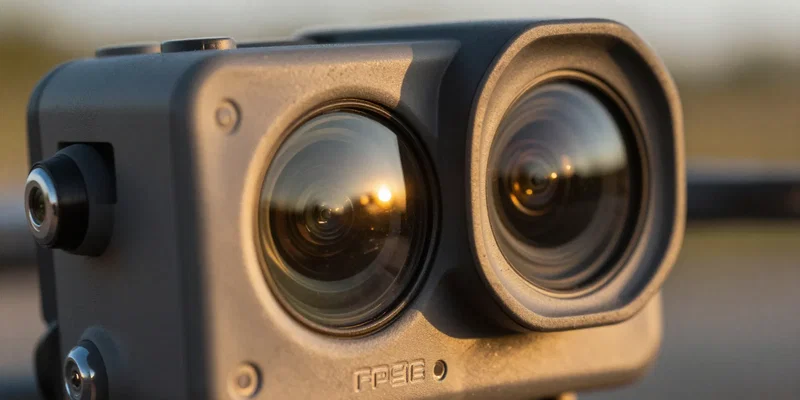
Sunset FPV footage is notoriously hard to expose. The sky is a blinding fireball. The ground is falling into pitch black. You can't just slap your GoPro on auto and pray. ND filters. Buy them. Use them. If you're shooting at 24fps, you need that shutter speed locked at 1/50th to get that buttery motion blur during a dive. Without an ND filter, your footage will look like a hyperactive slideshow. A good ND8 or ND16 usually hits the sweet spot as the sun dips. Just keep an eye on your ISO so the shadows don't turn into a grainy disaster.
Chase the Silhouette
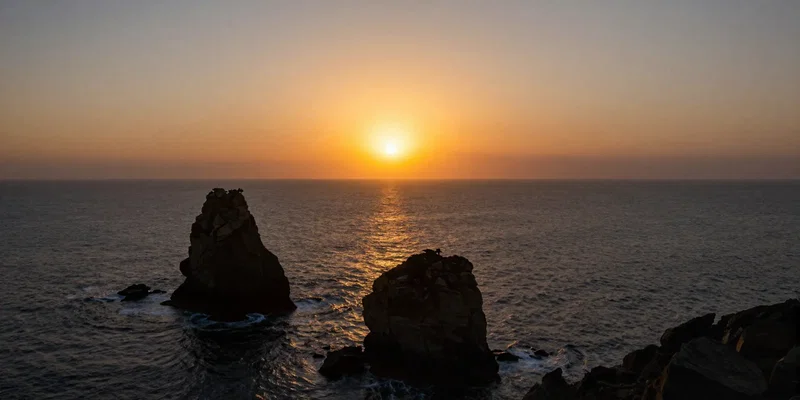
Here's the thing about lighting aerial photography. You have two choices. Keep the sun at your back to light up the scenery, or fly directly into the damn thing. I prefer the latter. Flying into the sun creates massive, aggressive lens flares. It blows out the sky but turns your foreground into sharp, dramatic silhouettes. Trees, buildings, rock formations. They suddenly look imposing. It adds intense speed to your proximity flying, too. Shadowy foreground objects whipping past the camera trick the brain into feeling the raw velocity.
Flat Profiles Save Lives (And Footage)
Don't bake in your colors. Shoot in D-Log, flat, 10-bit color if your action cam supports it. Yes, it looks muddy on your goggles. Yes, it looks gray on your monitor. Trust the process. When you're dealing with the extreme dynamic range of a sunset, a flat profile preserves the data in those bright highlights and crushed shadows. You pull those heavy orange and teal tones out in post. If you shoot standard, the sky turns into a pixelated white blob the second your quad pitches up toward the sun.
The 15-Minute Panic
Golden hour is a massive lie. It's not an hour. Depending on where you live, you get maybe fifteen minutes of that perfect, syrupy light before the sun falls off the edge of the earth and everything goes dull blue. Speed matters. Have your batteries warm. Have your props tightened. Know your exact flight path before the sun even starts to dip. You don't want to waste the absolute best light of the day fumbling with a stripped screw or waiting for a GPS lock.