Following Human Subjects Safety and Cinematic Techniques
Stop Treating Your Subjects Like Obstacles
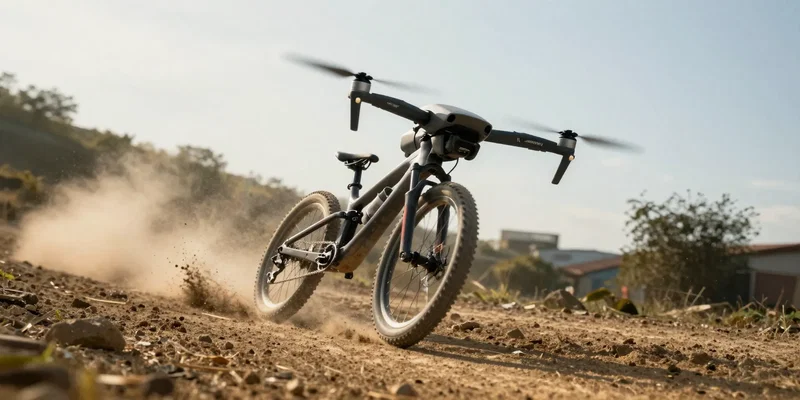
Let's get one thing straight. Filming people with drones isn't a video game. Those spinning props? They're basically flying blenders. If you're chasing a runner, a skater, or a mountain biker, safety is your actual job. Not getting the shot. Safety. You need to know your subject's path before you even arm the quad. Map it out. Walk the line. If you don't know exactly where they are going to turn, you have no business putting a drone two feet from their face.
Ditch the Five-Inch for Close Quarters
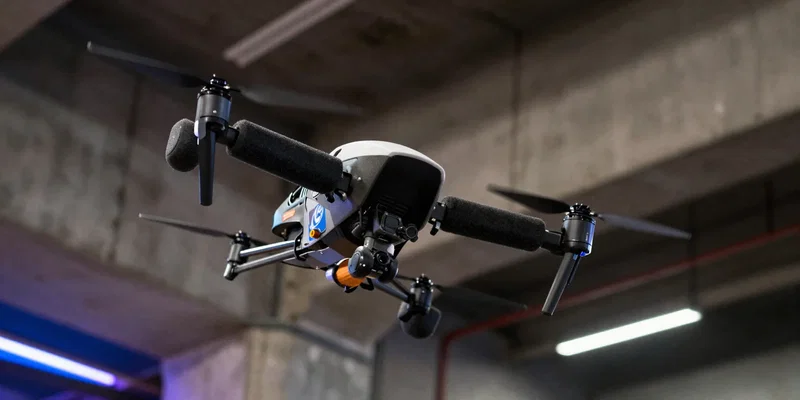
Look, we all love the power of a raw 5-inch freestyle rig. But flying exposed carbon and razor-sharp props next to soft human skin? That's an amateur move. Grab a cinewhoop. Wrap those props in ducts or foam guards. Sure, it flies a bit like a flying brick compared to your freestyle setup. But safe FPV tracking demands it. A bump with a ducted drone ruins a take. A bump with an open-prop 5-inch sends someone to the ER. Be smart.
The Sweet Spot for Cinematic Following
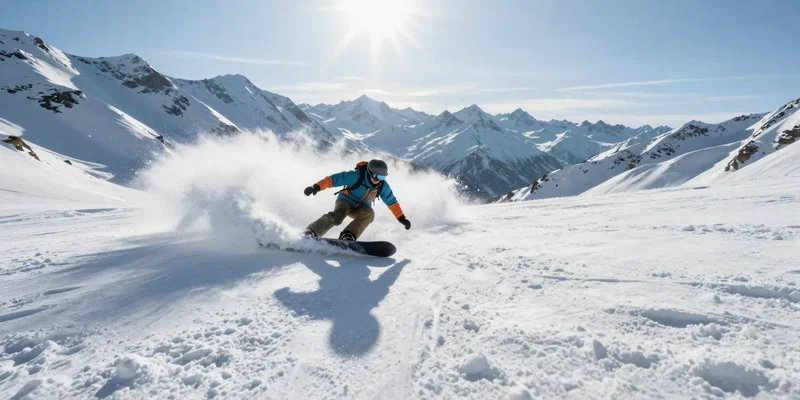
Don't just sit right behind them dead-center. That's boring. It looks like a cheap security camera feed. To nail a true cinematic following shot, offset your angle. Fly slightly to the left or right, catching the side profile of their face as they move. Get low. Scraping the dirt low. Let the foreground whip past the lens. That's what gives an action sports drone shot its sense of speed. If you fly at eye level, you kill the energy. Drop the altitude, match their pace, and let the terrain do the heavy lifting.
Shut Up and Talk to Your Talent
A good pilot never guesses. Talk to the person you're filming. Establish a safe bailout direction. If the drone loses video link or you catch a nasty patch of propwash, you need to know exactly which way you're going to ditch the quad. And they need to know not to dodge into that exact same space. Agree on hand signals. A quick wave means the run is aborted. Period. Good communication solves 90% of crashes before you even put the goggles on.
Read the Wind, Read the Room
Tracking a human isn't just about matching speed. The environment is the third actor in your scene. Wind changes everything. A crosswind blowing toward your subject means a sudden gust pushes you right into them. Always fly on the downwind side. Always. If a gust hits, it blows the drone away from the talent. That's a free safety buffer. Combine that with a solid understanding of your flight path, and you'll get the shot without anyone losing an eyebrow.