DIY Drone Antenna Mounting Tricks for Better Signal
Stop Flying Blind Behind Trees

We've all been there. You punch the throttle, dive behind a single sad-looking oak tree, and your goggles immediately fill with static. Total video loss. Your drone signal shouldn't dictate where you fly. Most pilots blame the video transmitter. They throw money at higher milliwatt VTX units hoping for a miracle. But actually? Your antenna placement is probably just garbage. Let's fix that.
Carbon Fiber is the Enemy
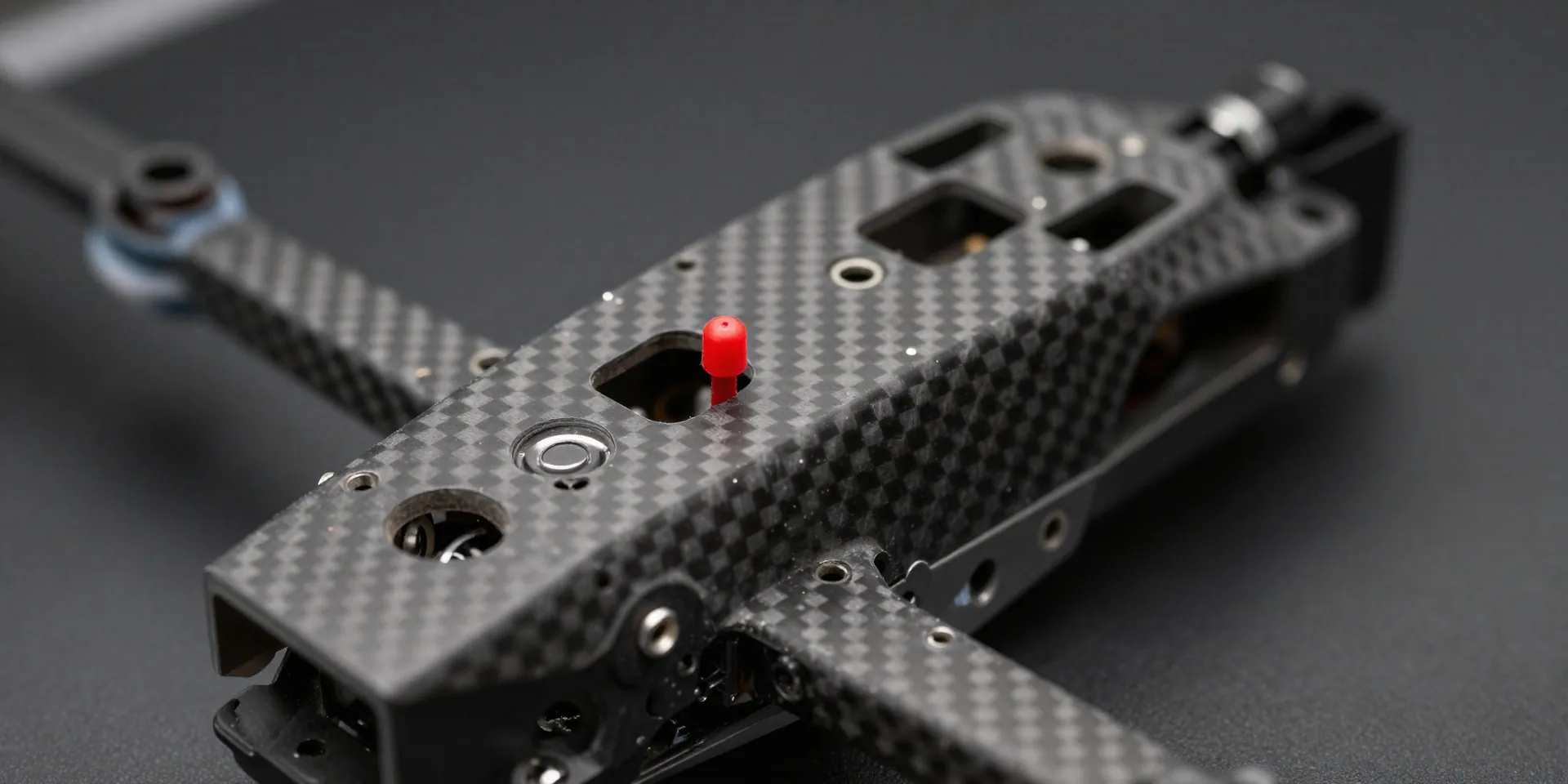
Carbon fiber blocks RF waves. Period. It's a massive shield sitting right between your drone and your goggles. If you bury your antenna deep inside the frame, you're asking for a failsafe. Proper VTX antenna placement means getting that active element up and away from the carbon deck. Think of it like a periscope on a submarine. If the periscope stays underwater, you don't see anything.
Flex Don't Snap
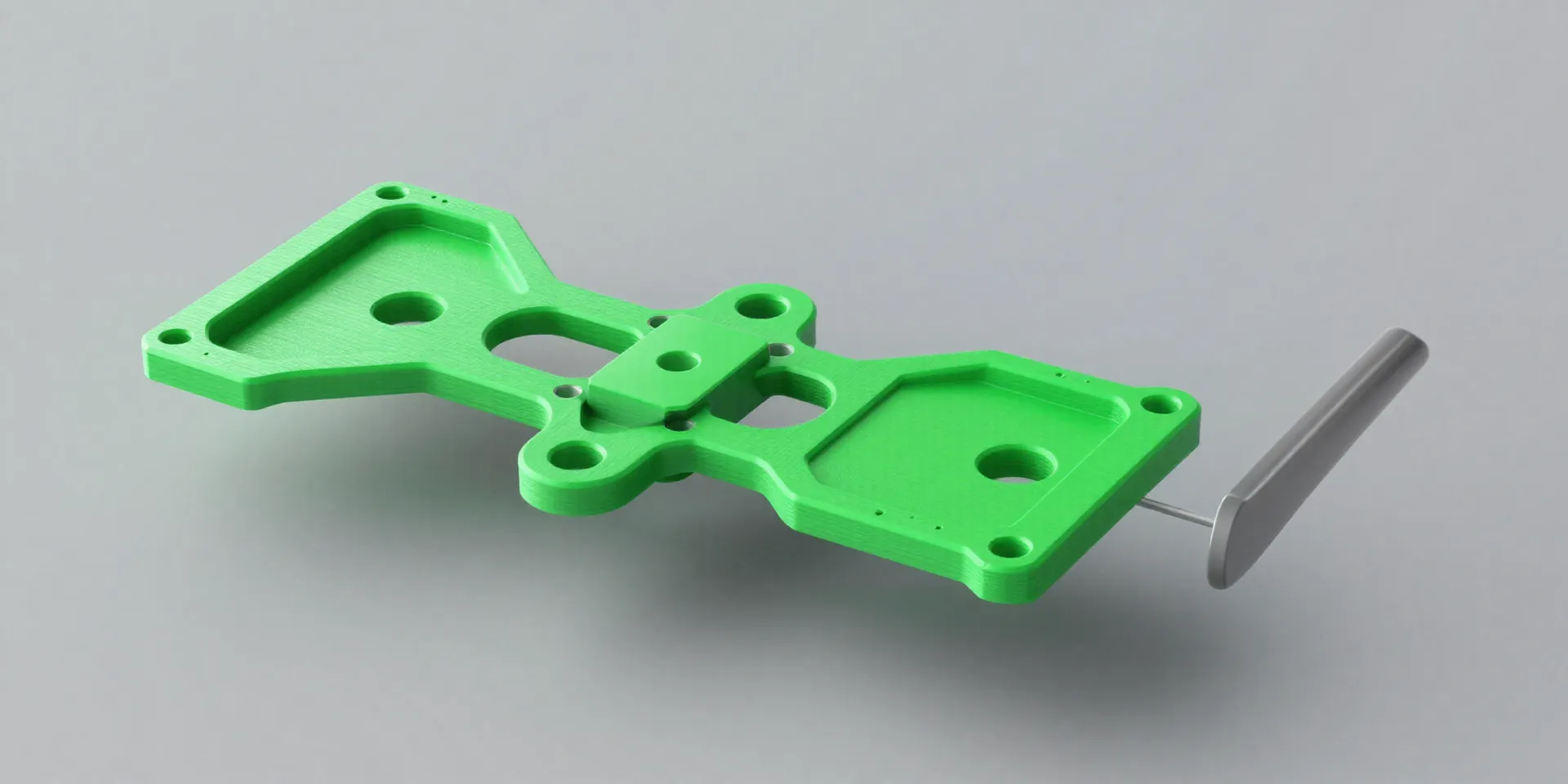
Hard plastic mounts shatter on the first impact. Forget them. You need a flexible 3D printed mount. Specifically, TPU. A good TPU FPV antenna mount absorbs the shock of crashing into concrete at 60mph. It flexes, then snaps right back into perfect position. You can find thousands of free STL files online tailored to your specific frame. Print it out, bolt it to your rear standoffs, and you're golden.
The 45-Degree Sweet Spot
Most pilots just point their antennas straight up. Bad idea. When you fly forward, your drone tilts. A straight-up antenna suddenly points directly at the ground. That creates a massive blind spot right where you're standing. Angle your mount backward at about 45 degrees. When you pitch forward to hit gaps, the antenna stands perfectly vertical relative to the horizon. It's simple geometry.
The Poor Man's Solution
No 3D printer? No problem. Grab two heavy-duty zip ties. Run them out along the rear arms, lay your antenna wires flat against them, and slide some heat shrink over the whole thing. Hit it with a lighter. Boom. You've got an indestructible, flexible mount that costs three cents. It keeps the active elements away from the spinning props and gets the job done without overcomplicating your DIY drone assembly.