Cinematic Diving How to Film Buildings and Cliffs Safely
Gravity Is Your Co-Pilot (But It Wants To Break Your Quad)
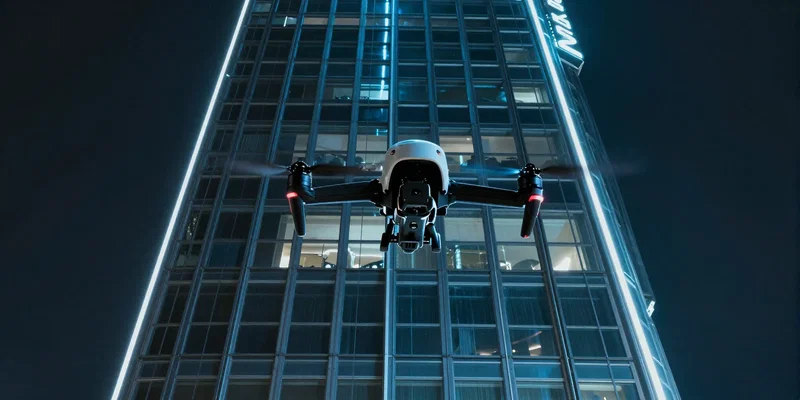
Let's get one thing straight. Nailing building dives FPV style isn't about gravity. Gravity is easy. You drop the throttle, the quad falls. Simple. But making it look like a Hollywood blockbuster instead of a security camera plummeting to earth? That takes serious finesse. You are managing throttle just enough to keep prop wash away while holding a tight line that flirts with glass and steel. Too fast, you wobble. Too slow, it's boring. You need that sweet spot where momentum does the heavy lifting.
Scout Your Line Or Buy A Broom
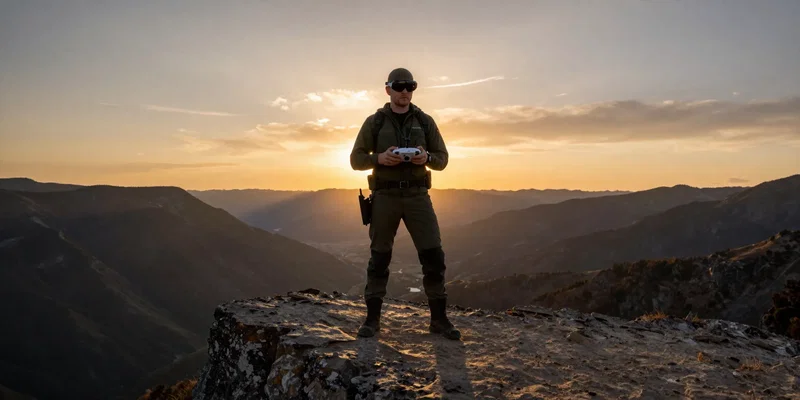
Don't just chuck your rig off a ledge. Seriously. Cinematic drone drops require paranoid levels of scouting. Walk the base. Check for power lines, antennas, and that one random flagpole sticking out of the 14th floor. Wind creates massive downdrafts on flat vertical surfaces. If you don't map your dive line and your pull-out zone before you put the goggles on, you're going to need a broom to collect the carbon fiber. Plan the flight. Fly the plan.
Camera Tilt Changes Everything
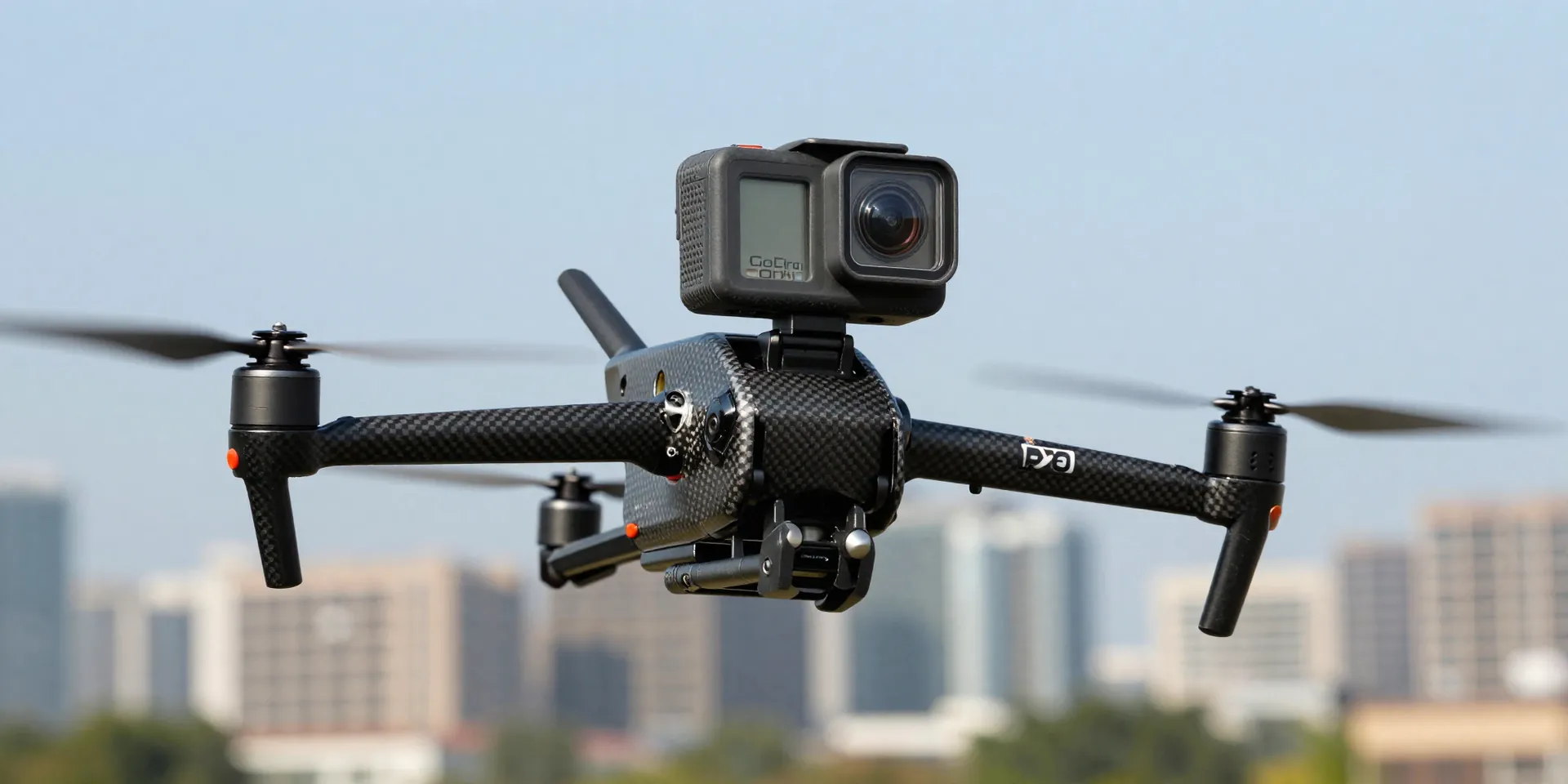
Here's a rookie mistake. Flying with a flat camera angle. If you dive a 50-story building with 10 degrees of tilt, the viewer just stares at the pavement rushing up. Yawn. Crank that action cam tilt to 25 or 30 degrees. Now when you pitch forward to fall, the lens looks straight down the face of the structure. It gives you that dizzying, stomach-dropping perspective that makes aerial videography actually worth watching. Plus, it lets you see where you're going when you finally pull out of the dive.
Rock Faces Bite Back
Buildings are predictable. Nature is a chaotic mess. Flying a cliff diving drone is entirely different than surfing a skyscraper. Cliffs have jagged outcrops, random caves, and the worst enemy of all: unpredictable thermals. Air pushes aggressively up and shears off the rock face. You can't just drop straight down. You have to actively fly the quad downward, fighting the updraft. Keep your throttle engaged. If you just dead-drop, the wind will flip you backwards right into the granite.
Always Have An Exit Strategy
Never dive into a corner you can't punch out of. Before you initiate any drop, you need a bailout route. What happens if a gust of wind shoves you left? What if you lose video feed for half a second? You need open airspace at the bottom of the dive to catch the quad and bleed off speed. Be smooth on the sticks. Yanking the pitch back at the last second creates a violent jerk that ruins the footage and stresses your battery to the breaking point. Glide out. Make it look effortless.