Choosing the Right Motors for Your Budget FPV Quad
Stop Buying Literal Garbage Just Because It's Cheap
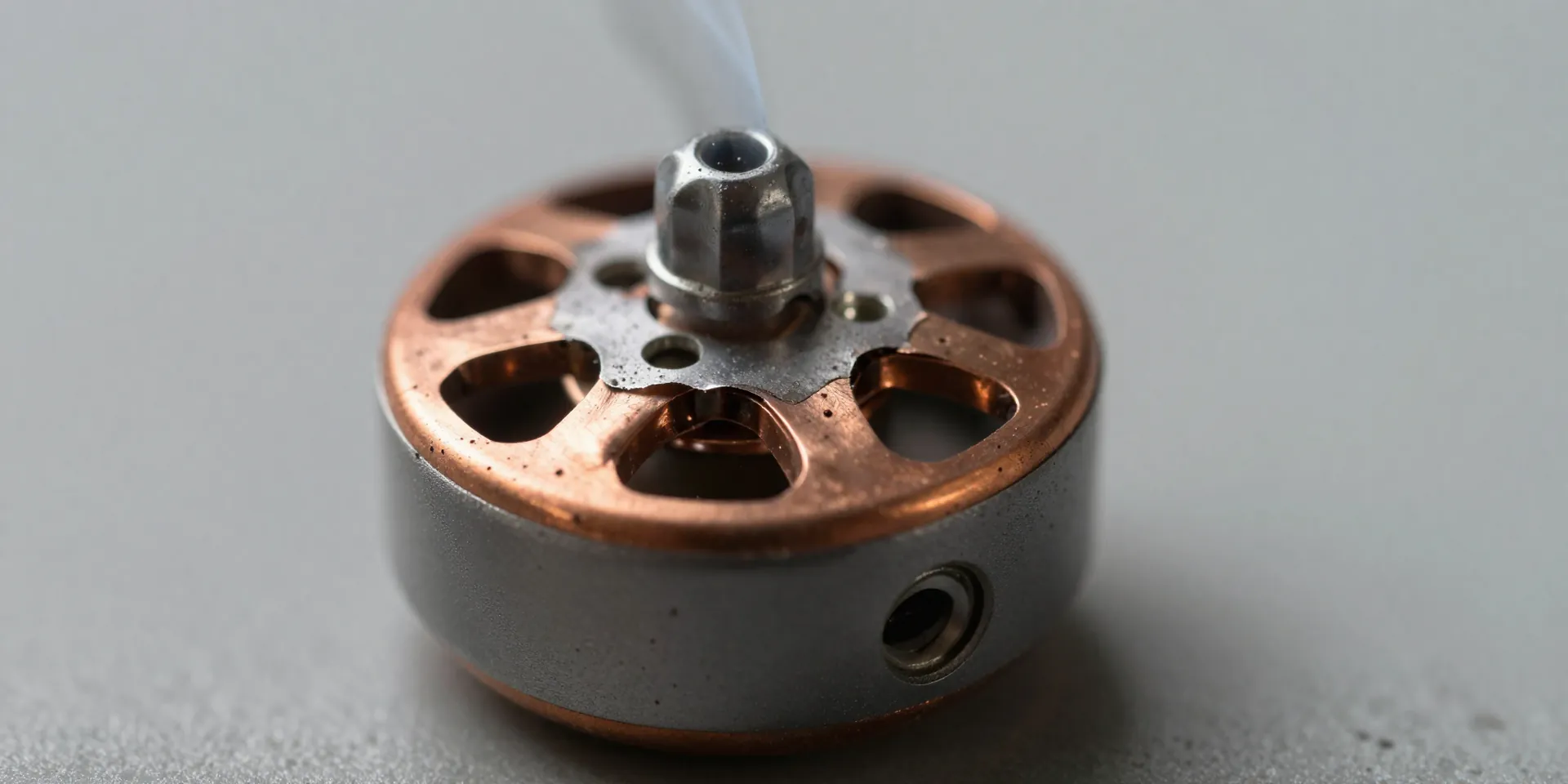
Let's get one thing straight. There's a massive difference between budget drone motors and absolute trash. I see guys blowing their cash on no-name brushless motors FPV kits from random websites, only to watch them smoke on the first punch-out. Don't be that guy. You want affordable quadcopter parts that can actually survive a crash into concrete. Not paper-thin metal wrapped in wishful thinking.
KV Ratings: The Speed Limit You Actually Control

KV basically means RPM per volt. High KV equals screaming fast props. Low KV means more torque for heavier rigs. Building a 5-inch freestyle ripper? Aim for 1700KV to 1900KV on a 6S battery. Running 4S? Bump it up to around 2400KV. It's simple math. Buy the wrong KV, and your battery will sag into oblivion before you even hit the first split-S.
Let's Talk Stator Size (Because 2207 and 2306 Are Confusing)
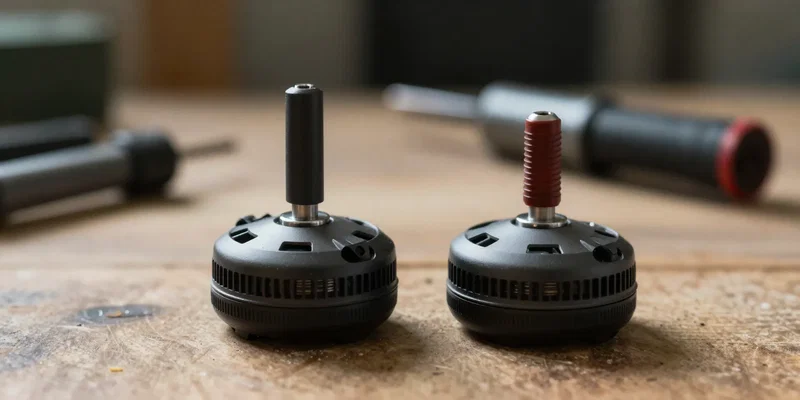
You'll see numbers like 2207 or 2306 stamped on the side of every motor. The first two digits are the width. The second two? Height. Wider motors (2306) give you that snappy, low-end torque. Perfect for tight bando flying. Taller motors (2207) stretch out that top-end speed. Neither is wrong. But you need to pick the feel you want before clicking checkout.
Unibell Designs Are Your Best Friend
You're going to crash. A lot. That's just the reality of drone building. When looking at budget options, check if the motor bell is a single piece of metal. Cheap two-piece bells pop apart the second they clip a tree branch. A solid unibell design costs maybe a dollar more per motor, but it saves you hours of rebuilding in the field. Spend the dollar.
Don't Skimp on the Bearings
Smooth bearings keep your flight controller happy. Crappy bearings send vibrations straight into your gyro, making your HD footage look like it was shot in a blender. Look for NMB or EZO bearings in the spec sheet. Even the best budget drone motors will fly like garbage if the bearings sound like grinding gravel after one flight. Listen to your motors. They'll tell you when it's time to swap them out.