Choosing the Right FPV Camera Angle for Cinematography
Ditch the Racing Setup: Why Low Tilt Wins
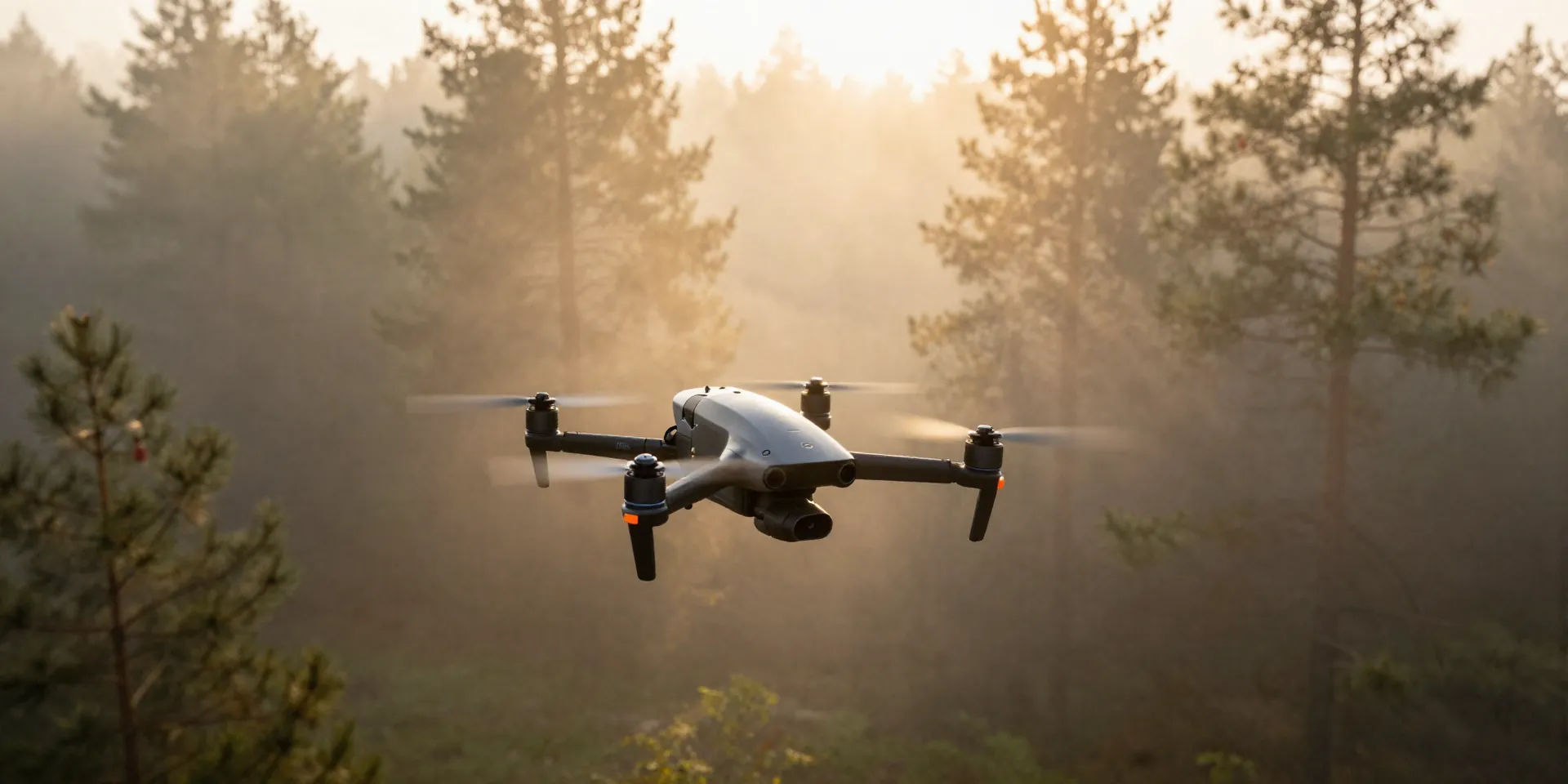
Most guys slapping a GoPro on an FPV rig think they need 30 degrees of tilt. Wrong. That’s for dodging trees at 80mph. If you want that slow cinematic drone vibe, drop it down. Five to fifteen degrees. That's the sweet spot. A low cinematic camera tilt forces you to fly slower to keep the horizon leveled. You get smooth, floating shots that look expensive. Push the sticks gently. Let the landscape breathe.
Mastering Aerial Framing Through the Horizon
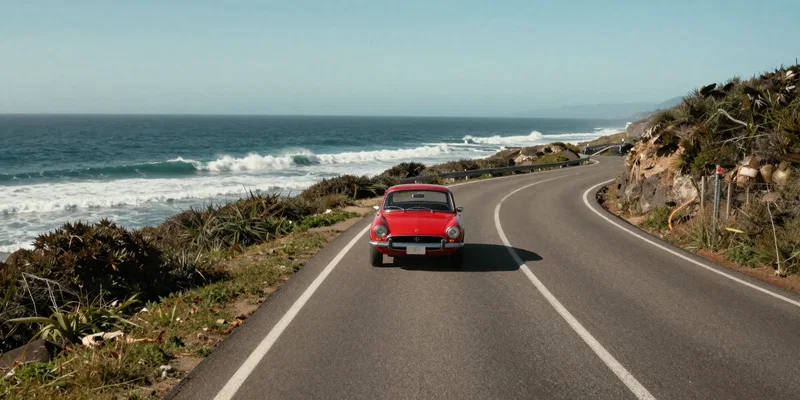
Your FPV camera angle dictates your framing. Simple physics. When you pitch forward to move, the camera looks down. If your angle is too steep, you’re just filming dirt. Set it too low, and you're staring at empty sky. You want that exact pocket where your subject sits perfectly in the lower third of the frame while you cruise forward. Aerial framing isn't just about pointing a lens. It's about predicting where your drone's nose will point when you hit your target cruising speed.
The Speed Trap (And How to Dodge It)
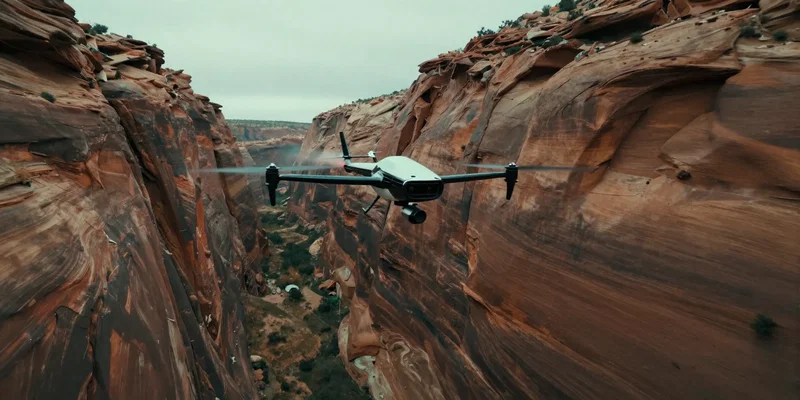
Here's the thing. Speed kills scale. If you rip past a massive waterfall at max throttle, it looks small. Boring. To make landscapes look huge, you need a shallow FPV camera angle. This artificially limits your forward speed if you want to keep the horizon straight. Suddenly, a tiny river feels epic. You feel every inch of the rock face drifting by. You're not flying a race quad. You're directing a flying movie camera. Back off the throttle.
Proximity Chasing Needs a Hard Commitment
Chasing a moving subject is a completely different beast than gliding over an empty beach. If you're tracking a car or a dirtbike, bump that tilt up just a hair. Twenty to twenty-five degrees. You need the extra pitch authority to keep pace without staring at their bumper. But listen. Don't try to digitally fix your angle in post. Lock your tilt mechanically before takeoff. Learn to adjust your altitude and throttle to keep the shot dialed in. Muscle memory takes over from there.